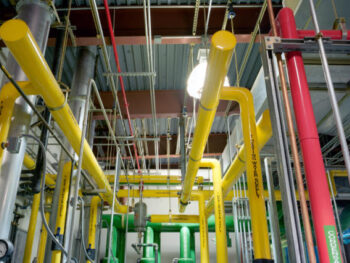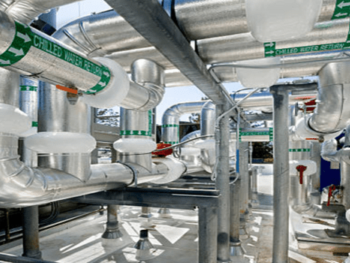
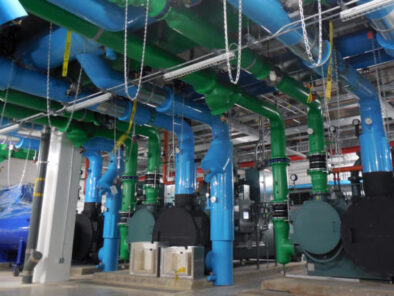
Mechanical insulation is a cornerstone of efficient industrial operations, offering far-reaching benefits that extend beyond simple temperature control. In industrial settings, where energy consumption is high and operational efficiency is critical, mechanical insulation plays a vital role in optimizing performance, reducing costs, and enhancing sustainability. This article explores the top five benefits of mechanical insulation in industrial applications and why it is an indispensable investment for modern facilities.
1. Energy Efficiency and Cost Savings
One of the most significant advantages of mechanical insulation is its ability to improve energy efficiency. Industrial processes often involve extreme temperatures, whether heating, cooling, or maintaining specific conditions. Without proper insulation, heat loss or gain can lead to excessive energy consumption.
Mechanical insulation acts as a barrier, reducing thermal transfer and ensuring that systems operate at peak efficiency. For example, insulating steam pipes, boilers, and HVAC systems can significantly lower energy requirements, resulting in substantial cost savings. Studies have shown that properly insulated industrial systems can reduce energy costs by up to 20%, making insulation a cost-effective solution with a rapid return on investment.
2. Enhanced Process Control and Productivity
In industrial applications, maintaining consistent temperatures is often critical to the quality and efficiency of processes. Mechanical insulation helps stabilize temperatures, preventing fluctuations that can disrupt operations or compromise product quality.
For instance, in chemical manufacturing, precise temperature control is essential for reactions to occur correctly. Similarly, in food processing, insulation ensures that products are stored or transported at the required temperatures, preventing spoilage. By enhancing process control, mechanical insulation directly contributes to increased productivity and reduced waste.
3. Personnel Safety and Comfort
Industrial environments often involve high-temperature equipment, such as boilers, furnaces, and steam lines, which pose safety risks to workers. Mechanical insulation reduces surface temperatures, minimizing the risk of burns or accidents. This not only protects employees but also creates a more comfortable working environment, particularly in areas where heat exposure is a concern.
Additionally, insulation can reduce noise levels from machinery and equipment, contributing to a safer and more pleasant workplace. By prioritizing safety, industrial facilities can reduce liability and improve employee morale.
4. Environmental Sustainability
As industries face increasing pressure to reduce their environmental impact, mechanical insulation offers a practical solution for lowering carbon emissions. By improving energy efficiency, insulation reduces the amount of fuel or electricity needed to power industrial processes, thereby decreasing greenhouse gas emissions.
Moreover, many modern insulation materials are designed with sustainability in mind. Recycled and eco-friendly options are now widely available, allowing industries to align their operations with green building standards and environmental regulations. By investing in mechanical insulation, industries can demonstrate their commitment to sustainability while achieving long-term cost savings.
5. Extended Equipment Lifespan and Reduced Maintenance Costs
Industrial equipment is a significant capital investment, and protecting it from wear and tear is essential for maximizing its lifespan. Mechanical insulation helps prevent corrosion, condensation, and thermal stress, all of which can damage equipment over time.
For example, insulating cold pipes prevents condensation, which can lead to rust and structural damage. Similarly, insulating hot equipment reduces thermal cycling, which can cause metal fatigue. By safeguarding equipment, insulation reduces the frequency of repairs and replacements, lowering maintenance costs and extending the life of valuable assets.
Conclusion
Mechanical insulation is a powerful tool for enhancing industrial operations, offering benefits that go far beyond temperature control. From improving energy efficiency and process control to ensuring safety, sustainability, and equipment longevity, insulation is a smart investment for any industrial facility.
As industries continue to evolve and prioritize efficiency and sustainability, mechanical insulation will remain a critical component of successful operations. By leveraging the latest insulation technologies and materials, industrial facilities can achieve significant cost savings, reduce their environmental footprint, and create safer, more productive workplaces.