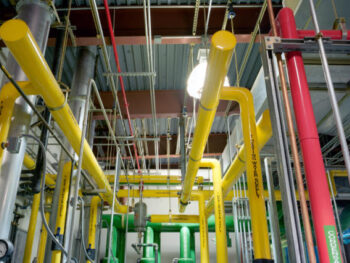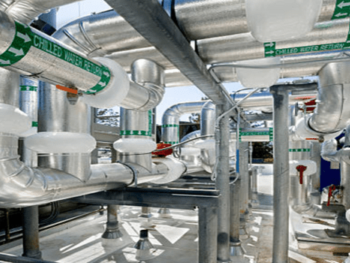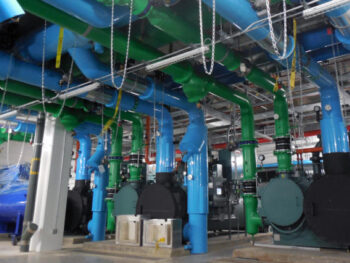
As the world increasingly prioritizes sustainability and energy conservation, mechanical insulation technology is emerging as a critical player in reducing energy consumption and minimizing environmental impact. From industrial facilities to commercial buildings, advancements in insulation materials, installation techniques, and smart technologies are reshaping the future of this essential industry. This article explores the latest innovations in mechanical insulation and how they are driving energy efficiency across various sectors.
1. Advanced Insulation Materials
Traditional insulation materials like fiberglass and mineral wool are being complemented—or even replaced—by cutting-edge alternatives. Aerogels, for instance, offer superior thermal performance with minimal thickness, making them ideal for space-constrained applications. Similarly, phase-change materials (PCMs) are gaining traction for their ability to store and release thermal energy, optimizing temperature regulation in dynamic environments.
2. Smart Insulation Systems
The integration of IoT (Internet of Things) technology into mechanical insulation is revolutionizing how systems are monitored and maintained. Smart sensors embedded within insulation layers can track temperature fluctuations, moisture levels, and structural integrity in real time. This data enables predictive maintenance, reducing energy waste and preventing costly downtime.
3. Sustainability-Driven Solutions
With global efforts to combat climate change, the insulation industry is focusing on eco-friendly materials and practices. Recycled and bio-based insulation products are becoming more prevalent, offering comparable performance while reducing reliance on non-renewable resources. Additionally, life-cycle assessments (LCAs) are being used to evaluate the environmental impact of insulation systems, ensuring they align with green building standards.
4. Energy Efficiency in Industrial Applications
Industrial facilities are among the largest consumers of energy, and mechanical insulation plays a pivotal role in optimizing their operations. Innovations such as high-temperature insulation coatings and vacuum insulation panels (VIPs) are helping industries achieve significant energy savings, particularly in processes involving extreme heat or cold.
5. Building Codes and Standards
As governments worldwide tighten energy efficiency regulations, mechanical insulation is becoming a cornerstone of compliance. Updated building codes and standards are driving the adoption of advanced insulation technologies, ensuring that new constructions and retrofits meet stringent energy performance criteria.
6. The Role of Digital Tools
Digitalization is transforming the way mechanical insulation is designed and implemented. Building Information Modeling (BIM) software allows engineers to create precise insulation plans, minimizing material waste and maximizing efficiency. Additionally, energy modeling tools help stakeholders visualize the long-term benefits of investing in high-performance insulation systems.
7. Challenges and Opportunities
While the future of mechanical insulation is promising, challenges remain. High upfront costs and a lack of awareness about the long-term benefits of advanced insulation can hinder adoption. However, as energy prices rise and sustainability becomes a top priority, the demand for innovative insulation solutions is expected to grow exponentially.
Conclusion
The future of mechanical insulation is bright, with groundbreaking innovations paving the way for greater energy efficiency and sustainability. By embracing advanced materials, smart technologies, and eco-friendly practices, the industry is poised to play a vital role in achieving global energy conservation goals. Whether in industrial settings or commercial buildings, mechanical insulation is no longer just a passive component—it’s a dynamic force driving the transition to a more sustainable future.