Mechanical insulation, a critical component in industrial, commercial, and residential applications, has seen significant advancements in recent years. As industries strive for greater energy efficiency, sustainability, and cost-effectiveness, innovations in insulation materials, installation techniques, and smart technologies are transforming the landscape of mechanical insulation. These developments not only enhance thermal performance but also contribute to reducing carbon footprints and improving operational efficiency across various sectors.
1. Advanced Insulation Materials
One of the most notable trends in mechanical insulation is the development of high-performance materials. Traditional materials like fiberglass, mineral wool, and foam remain widely used, but newer alternatives are gaining traction due to their superior properties. For instance:
- Aerogels: Known for their ultra-low thermal conductivity, aerogels are lightweight and highly effective insulators. Recent advancements have made them more affordable and easier to handle, expanding their use in industrial and aerospace applications.
- Vacuum Insulation Panels (VIPs): VIPs offer exceptional thermal resistance with minimal thickness, making them ideal for space-constrained applications. Innovations in panel durability and cost reduction are driving their adoption in HVAC systems and refrigeration.
- Bio-based Insulation: Sustainable insulation materials derived from renewable sources, such as cellulose, cork, and hemp, are gaining popularity. These materials not only provide excellent thermal performance but also align with green building standards and environmental regulations.
2. Smart Insulation Technologies
The integration of smart technologies into mechanical insulation systems is revolutionizing how insulation is monitored and maintained. These innovations include:
- Embedded Sensors: Insulation systems equipped with sensors can monitor temperature, humidity, and thermal performance in real time. This data helps identify inefficiencies, prevent energy losses, and optimize system performance.
- IoT-enabled Insulation: The Internet of Things (IoT) is being leveraged to create connected insulation systems that communicate with building management systems (BMS). This allows for predictive maintenance, reducing downtime and extending the lifespan of insulation.
- Phase Change Materials (PCMs): PCMs absorb and release thermal energy during phase transitions, helping to regulate temperatures more effectively. When integrated into insulation systems, they enhance energy efficiency and reduce peak load demands.
3. Improved Installation Techniques
Advancements in installation methods are making mechanical insulation more efficient and durable. Key developments include:
- Prefabricated Insulation Solutions: Prefabricated insulation components, such as pre-insulated pipes and ducts, reduce installation time and improve consistency. These solutions are particularly beneficial in large-scale industrial projects.
- Spray-on Insulation: Spray-applied insulation materials, such as polyurethane foam, provide seamless coverage and excellent adhesion to complex surfaces. This method minimizes thermal bridging and ensures uniform performance.
- Robotic Installation: In hard-to-reach or hazardous environments, robotic systems are being used to install insulation with precision and safety. This technology is especially valuable in industries like oil and gas, where insulation is critical for process efficiency and worker safety.
4. Focus on Sustainability and Energy Efficiency
As global emphasis on sustainability grows, mechanical insulation is playing a pivotal role in reducing energy consumption and greenhouse gas emissions. Recent developments include:
- Energy-efficient Insulation Designs: Insulation systems are being designed to meet stringent energy codes and standards, such as ASHRAE 90.1 and LEED certification. These designs optimize thermal performance while minimizing material usage.
- Recyclable and Reusable Insulation: Manufacturers are developing insulation materials that can be recycled or reused at the end of their lifecycle, reducing waste and promoting circular economy principles.
- Carbon Footprint Reduction: By improving thermal efficiency, modern insulation technologies help industries lower their carbon emissions. This is particularly important in energy-intensive sectors like manufacturing and power generation.
5. Enhanced Fire Safety and Durability
Safety and durability remain top priorities in mechanical insulation. Recent innovations focus on improving fire resistance and longevity:
- Fire-resistant Coatings: Insulation materials are being treated with advanced fire-resistant coatings to enhance their performance in high-temperature environments.
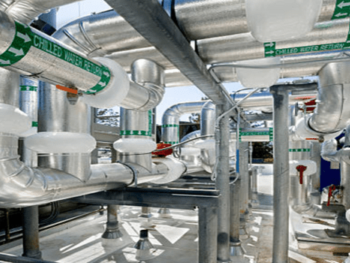
- Durable Insulation Jacketing: Protective jacketing materials, such as stainless steel and aluminum, are being used to shield insulation from physical damage, moisture, and UV exposure, extending its lifespan.
Conclusion
The field of mechanical insulation is undergoing a transformative phase, driven by advancements in materials, technology, and sustainability practices. These developments are not only improving thermal efficiency and energy savings but also addressing environmental concerns and enhancing safety. As industries continue to prioritize energy conservation and carbon reduction, mechanical insulation will remain a cornerstone of modern infrastructure, paving the way for a more sustainable and efficient future. By embracing these innovations, businesses can achieve significant cost savings, comply with regulatory requirements, and contribute to global efforts to combat climate change.